Creating the Perfect Custom Vegetable Boxes: A Methodical Approach
Building custom produce boxes calls for a strategic approach. Specialists must examine sustainability, practicality, and visual appeal. Selecting the right materials is crucial for maintaining quality and promoting environmentally conscious methods. Furthermore, dimensions and shape can greatly impact usability and shipping effectiveness. Compelling visit this page visual elements enhance company identity, while thorough testing guarantees longevity. Understanding these components will reveal critical understanding into creating exceptional container solutions that appeal with customers. What follows is vital to achieving those goals.
Picking the Ideal Materials for Custom Produce Boxes
When considering materials for custom produce boxes, it is crucial to examine both functionality and sustainability. The choice of material significantly influences the box's strength, weight, and ability to protect the contents. Common materials feature corrugated cardboard, which delivers strength and is environmentally recyclable, making it a popular choice for eco-conscious businesses. Biodegradable options, such as molded pulp or plant-based plastics, also support sustainable practices while delivering adequate protection for delicate produce.
In addition, liquid resistance is essential for sustaining product quality, prompting some producers to explore treated materials or specialized coatings. The visual quality of the box should not be overlooked, as brand identity and visual communication can influence market perception. Ultimately, the right material should maintain proportion between protecting the produce, appealing to customers, and adhering to environmental standards, making sure that effectiveness and environmental consciousness are stressed in the design process.
How to Choose Size and Shape for Operational Use?
When opting for the form and dimensions of custom produce boxes, thorough evaluation of produce measurements is essential for proper storage. Additionally, considerations for movement and transportation can affect the box structure, guaranteeing ease of movement. Maximizing shelf space usage further enhances functionality, enabling efficient display and storage.
Review Produce Dimensions With Care
Selecting the appropriate dimensions for produce boxes is crucial for functionality and efficiency. Accurate assessment of produce dimensions is critical, as it guarantees that items fit securely without unnecessary room that could lead to damage during storage or transport. Custom boxes need to accommodate various shapes, from delicate berries to bulky vegetables, while maintaining structural integrity. Additionally, the height and width of the boxes should facilitate proper arrangement and storage, optimizing space in warehouse facilities. A properly constructed container not only safeguards the produce but also enhances visual appeal for consumers. Ultimately, careful consideration of dimensions helps achieve reducing waste and improving overall user experience in the supply chain.
Evaluate Handling and Transport
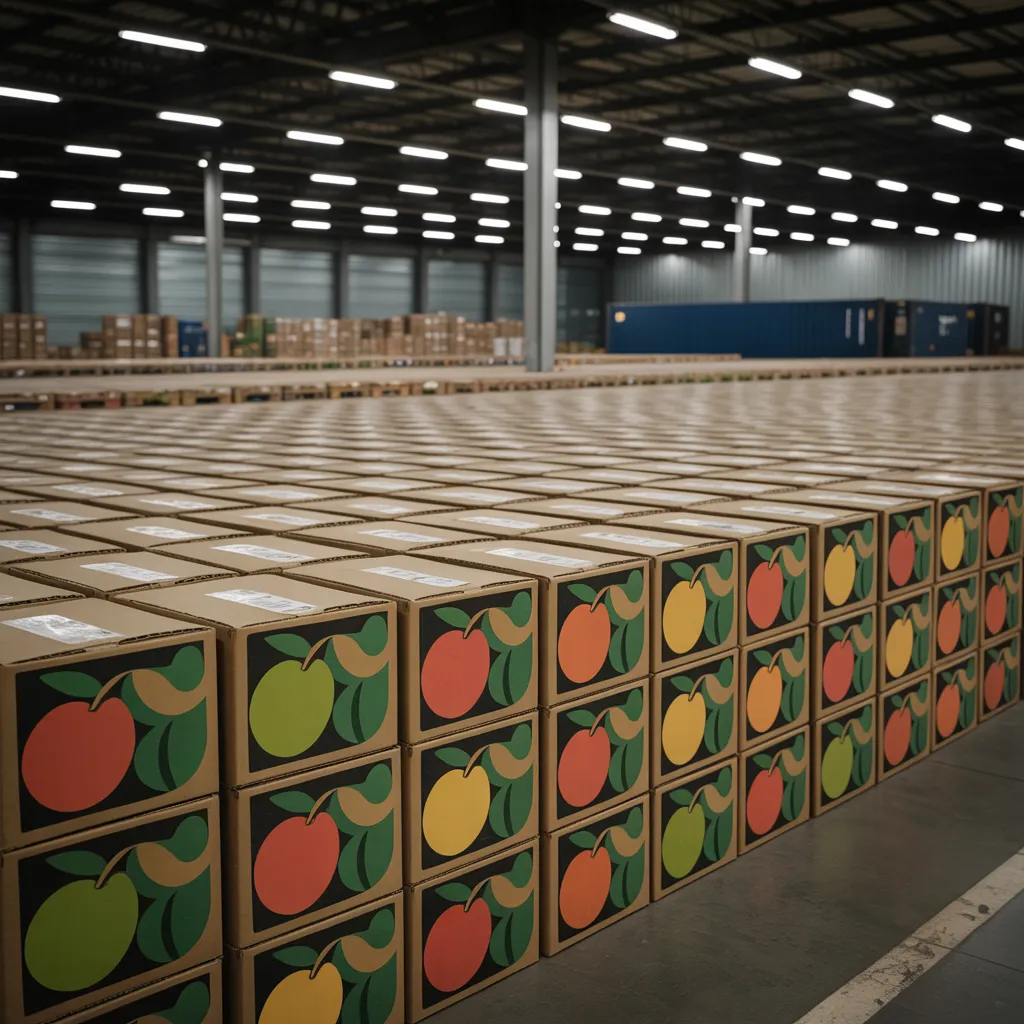
Handling and shipping considerations play a significant role in establishing the appropriate size and shape of custom fresh product boxes. The dimensions must fit the produce without unnecessary space, which could lead to movement and damage during transit. Smaller, compact boxes enable easier handling, while larger boxes may be required for larger items. Additionally, ergonomic design is crucial; handles or openings should be strategically placed to allow for easy lifting and carrying. The shape of the box also affects arrangement and stability, ensuring that products remain secure. Ultimately, careful consideration of these elements improves the efficiency of transport, minimizes product loss, and supports the overall quality of the produce from farm to consumer.
Optimize Shelf Space Usage
Smart storage space management is based on determining the fitting size and shape of purpose-built storage containers. Developers should factor in the dimensions of the shelving units as well as the types of produce being held. Rectangular boxes often solidify space efficiency, permitting for easier arrangement and stacking. By contrast, nonstandard shapes can heighten visual appeal but may result in wasted space if not meticulously planned.
It's vital to review the product rotation speed; fast-selling items might leverage compact, readily accessible boxes. In addition, utilizing adaptable or modular frameworks can support various dimensions of merchandise while refining shelf arrangement. By focusing on practical design with visual appeal, enterprises can establish a practical and eye-catching presentation that improves both ease of access and product prominence.
How to Generate Graphics That Attract Attention?
Engaging visuals can convert a basic custom produce box into a stunning display that captures attention. To accomplish this, creatives should start by choosing a color palette that reflects the freshness and vibrancy of the produce. Vibrant, striking colors can inspire sensations of freshness and wellness, driving consumers to take a second glance.
Bold typography remains crucial; clear and legible fonts can effectively communicate essential information while amplifying design value. Furthermore, using high-quality images of the produce can establish instant connection, showcasing the product's quality and enticing potential buyers.
Furthermore, incorporating distinctive visual elements and patterns can help differentiate the brand in a crowded market. Consistency in design elements, such as logos and taglines, solidifies brand identity. Ultimately, a fusion of inventiveness and precision in design work can greatly elevate the impact of custom produce boxes, making them stand out on shelves.
Eco-Friendly Practices for Custom Produce Box Packaging
A surging count of firms are adopting eco-friendly standards for custom produce box packaging, appreciating its importance in today's ecologically aware market. These practices often incorporate the use of degradable materials, such as recycled paper and plant-based plastics, which minimize environmental impact. Companies are also focusing on sustainable sourcing, ensuring that materials are obtained from responsibly managed forests or suppliers who prioritize environmental stewardship.
Furthermore, numerous brands are opting for minimalist styles that reduce waste while still effectively highlighting their products. This method not only resonates with eco-aware consumers but also helps in reducing production costs. Moreover, businesses are increasingly applying effective manufacturing processes that limit energy consumption and waste generation. By incorporating these sustainable practices, companies not only boost their brand image but also contribute positively to the planet, aligning their operations with a sustainable future.
Validate Your Made-to-Order Produce Box Design
Testing the layout of custom produce boxes is an crucial step in ensuring they satisfy both aesthetic and functional needs. This process usually includes evaluating elements such as strength, dimensions, and user-friendliness. First, samples should be created to evaluate the container's physical stability, ensuring it can endure transportation and keeping without compromising the products.
Next, user experience evaluations can be conducted to determine how effortlessly the boxes can be opened, closed, and stacked. Feedback from potential users can be priceless in this stage, providing perspectives into the box's functionality.
Moreover, the design's visual appeal should be tested through focus groups or surveys, gauging customer feedback to brand identity elements, hues, and overall presentation.
In the end, thorough evaluation allows designers to enhance the box, ensuring it not only attracts customers but also adequately safeguards and displays the produce within, achieving the right balance between form and function.
Advertising Your Custom Produce Boxes Successfully
Effective marketing of custom vegetable containers requires a well-planned strategy that highlights their distinctive advantages and value. Organizations must prioritize identifying their target audience, whether they are local farms, grocery stores, or individual consumers. Utilizing social networking sites can enhance brand awareness, showcasing the boxes' appearance and functionality through compelling visuals and storytelling.
Furthermore, teaming up with community leaders and farm operators can boost reputation and extend reach. Presenting offers or price reductions during seasonal peaks can pull in initial customers and stimulate repeat business.
Moreover, stressing environmental consciousness and green initiatives in advertising content can connect with eco-minded customers. Supplying detailed information about the composition of materials and the benefits of personalized packaging options can better position the product in a competitive market.
Ultimately, a comprehensive promotional plan that combines digital and community-based efforts will effectively advertise custom produce boxes, appealing to a diverse clientele and driving sales.
Regularly Posed Inquiries
What Are the Expenses Associated With Custom Produce Box Design?
Fees concerning custom produce box design contain materials, print production, labor, and freight. Also, design consultation and order thresholds can modify total costs, creating varying prices based on unique needs and manufacturing scale.
How Much time Does Production of Bespoke Boxes Require?
Production of tailored boxes generally requires two to six weeks. Key factors shaping this timeframe involve design complexity, materials availability, and production capacity, all of which may affect delivery schedules and delivery windows.
May I Purchase a Compact Shipment of Custom Produce Boxes?
Yes, modest amounts of custom produce boxes can generally be purchased. Many suppliers offer minimum order quantities, enabling companies or people to acquire tailored packaging solutions without having to pledge to large amounts initially.
Which Typical Missteps Need Avoiding in Tailored Box Development?
Common pitfalls in custom box design feature failing to address functionality, disregarding brand consistency, downplaying material quality, failing to consider target audience preferences, and overlooking environmental impact. Each aspect is critical for effective packaging and customer satisfaction.
How Do I Guarantee My Boxes Are Food-Compliant?
To verify boxes maintain food-safe status, individuals must pick materials certified for food contact, eliminate dangerous inks and adhesives, sustain cleanliness during production, and routinely evaluate for compliance with health regulations and safety standards.